


9. Chinese Beef Stir Fry is my go to dinner for those nights when everyone is hungry, I am tired, and the sink is already giving me attitude. You know the vibe, you want something hot and comforting, but you also do not want a long project. This is the kind of meal that makes the kitchen smell amazing in about ten minutes flat. It is quick, colorful, and it feels like takeout, except you are in socks and nobody is judging. If your family is anything like mine, they will ask for it again before the dishes are even done.
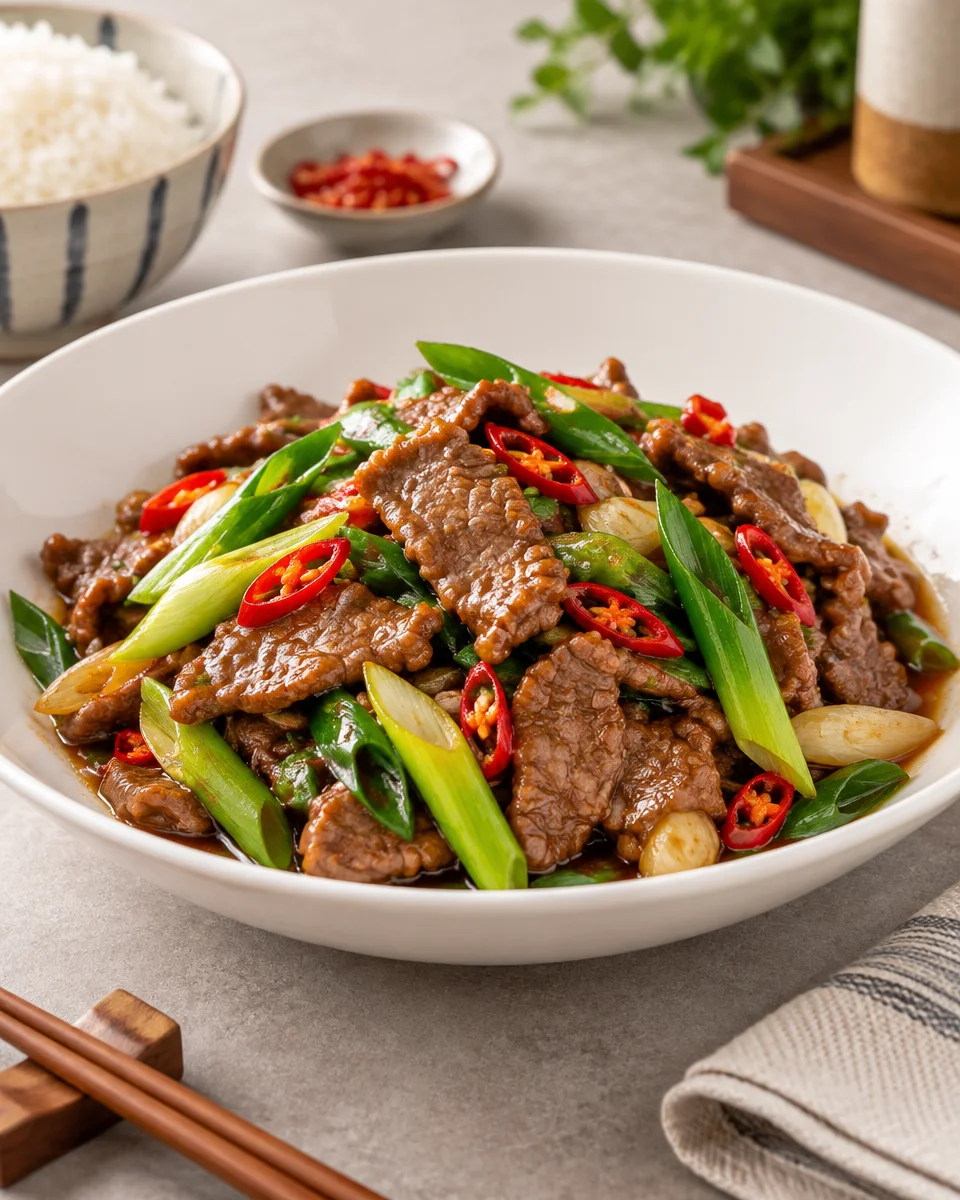
Key Ingredients Used in Bok Choy and Beef Stir-fry
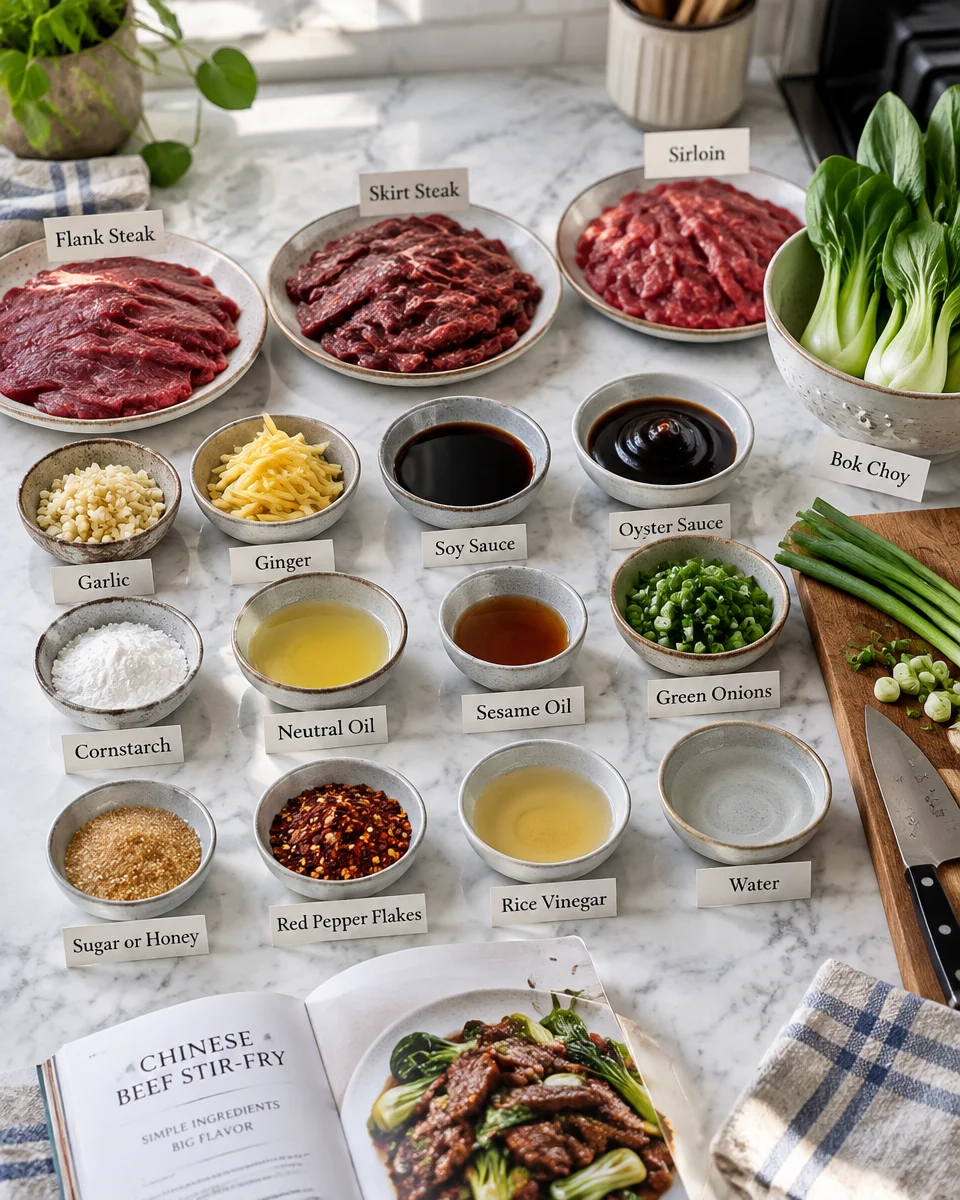
This stir fry is simple on purpose. I like recipes that do not send me to three different stores or require a spice I will use once and forget about. The star ingredients here are beef, bok choy, and a glossy, savory sauce that ties everything together.
What I use most often (and why it works)
- Beef: Flank steak, skirt steak, or sirloin work well. The big goal is thin slices so it cooks fast and stays tender.
- Bok choy: Regular bok choy or baby bok choy. Baby bok choy is sweeter and cooks in a blink, which is great on weeknights.
- Garlic and ginger: This duo is the heartbeat of the whole pan. Fresh is best, but jarred is fine if that is what you have.
- Soy sauce: Adds salt and that deep savory flavor. I usually do low sodium so I can control the salt.
- Oyster sauce: Optional, but it gives the sauce a rich, restaurant style taste.
- Cornstarch: Helps the beef stay silky and also thickens the sauce slightly.
- Neutral oil: Something like avocado, canola, or vegetable oil for high heat cooking.
- Sesame oil: A tiny drizzle at the end makes it smell incredible.
- Optional add ins: Green onions, a pinch of sugar or honey, red pepper flakes, or a splash of rice vinegar for brightness.
For the beef, I always try to slice it against the grain. That sounds fancy, but it just means you look for the lines in the meat and cut across them. It makes a huge difference. Also, do not skip drying the beef with paper towels. If it is wet, it will steam instead of sear, and that takes away the best part.
My basic sauce is soy sauce, oyster sauce, a little water, and cornstarch. Sometimes I add a spoon of hoisin if I want it slightly sweeter. If you are in a rush, a bottled stir fry sauce totally counts. We are feeding people, not trying to win a medal.
Tips for Perfecting Your Stir-fry Technique
Here is the truth. Stir fry is fast, but only if you set yourself up first. The first time I made this, I chopped as I cooked and it turned into a weird race I did not enjoy. Now I do a quick prep, then the cooking part feels easy and fun.
Tip 1: Prep everything before the pan gets hot. Slice beef, chop bok choy, mix sauce, and have garlic and ginger ready. Once the heat is up, things move quickly.
Tip 2: Use a big pan. A large skillet or wok helps the beef actually brown. If the pan is too crowded, the meat releases water and you get gray beef instead of tasty seared bites.
Tip 3: High heat, short time. You want quick cooking. Beef goes in first, then out. Veggies go in next, then the beef comes back at the end. Think of it like building layers.
Tip 4: Keep bok choy crisp. Bok choy cooks faster than you think, especially the leaves. Toss the white stems in first for a minute, then the leafy parts at the end. If it looks bright and slightly wilted, you are done.
Tip 5: Sauce goes in last. Pour it around the pan and toss. It thickens fast. The moment it looks glossy and hugs everything, turn off the heat.
I make 9. Chinese Beef Stir Fry at least twice a month, and the biggest lesson I learned is not to overcook the beef. It is better to pull it early and let it finish in the sauce. Overcooked beef gets tough, and nobody is excited about chewing forever at dinner.
“I tried this on a busy Tuesday and my kids actually asked for seconds. The bok choy was not mushy, and the beef tasted like our favorite takeout spot.”
Variations and Substitutions for Bok Choy and Beef Stir-fry
This recipe is flexible, which is one reason I love it. If you are missing an ingredient or cooking for someone picky, you can still make a really good pan of food without stressing.
Swap the greens: If bok choy is not available, try napa cabbage, regular cabbage, broccoli, or even spinach. If using spinach, toss it in at the very end because it melts fast.
Swap the protein: Thin sliced chicken thighs, pork, shrimp, or tofu all work. If you use shrimp, cook it quick and pull it out before it turns rubbery, then add it back at the end.
Make it gluten free: Use tamari or coconut aminos and double check your oyster sauce, because some brands contain wheat.
Add more vegetables: Mushrooms, bell peppers, snow peas, shredded carrots, or onions are all fair game. I often add mushrooms because they soak up sauce like little sponges, in the best way.
Turn up the heat: Chili garlic sauce, sriracha, or sliced fresh chilies give it a kick. If you have spicy eaters in the house, keep a hot sauce bottle on the table so everyone can customize.
Sometimes I turn 9. Chinese Beef Stir Fry into a clean out the fridge dinner. The sauce is the comfort blanket here. As long as you keep the cooking quick and do not overcrowd the pan, it usually works out.
One more small note. If you want that tender restaurant bite, toss the sliced beef with a little cornstarch, a splash of soy sauce, and a spoon of oil, then let it sit while you chop the bok choy. Even ten minutes helps.
Nutritional Benefits of Bok Choy
Bok choy is one of those vegetables that feels kind of underrated until you start cooking with it. It is mild, slightly sweet, and it stays crisp if you do not overdo it. Plus, it brings a lot to the table nutrition wise, which makes me feel good about serving it often.
What bok choy brings to your plate:
It is naturally low in calories and has a high water content, so it helps make the meal feel filling without feeling heavy. It also contains fiber, which is helpful for digestion and keeping you satisfied after dinner. Bok choy is known for having vitamins like vitamin C and vitamin K, along with minerals such as calcium and potassium. And because you are cooking it quickly in a stir fry, it keeps a nice texture and a good portion of its freshness.
I also love how bok choy makes the whole dish feel brighter. Beef and sauce can be rich, so the crisp greens balance everything out. This is why I keep coming back to this combo when I want something cozy but not greasy.
If you have someone in your family who claims they do not like greens, bok choy is a gentle place to start. The sauce helps, and the stems have a juicy crunch that feels more like a veggie snack than a salad.
And yes, I still consider this comfort food. 9. Chinese Beef Stir Fry is one of those meals that hits the spot and does not leave you feeling like you need a nap right after.
Suggested Side Dishes to Serve with Bok Choy and Beef Stir-fry
This stir fry is great on its own, but the right side dish makes it feel like a full takeout style spread at home. I keep it simple. One or two sides are plenty.
- Steamed jasmine rice: Classic for a reason. It soaks up sauce and keeps everyone happy.
- Brown rice: A little nuttier and more filling.
- Rice noodles: If you want something different, toss cooked noodles with a tiny splash of sesame oil before serving.
- Egg fried rice: A fun upgrade if you have leftover rice in the fridge.
- Simple cucumber salad: Cucumbers with rice vinegar, a pinch of sugar, and salt is refreshing next to the warm stir fry.
- Quick miso soup: Not required, but it makes dinner feel extra cozy.
If you are hosting or feeding a crowd, I like to add a bowl of fruit at the end. Something like orange slices or pineapple is a nice little sweet finish, especially if you made the stir fry a bit spicy.
When I pack leftovers for lunch, I keep the rice separate so it does not get soggy. Reheat the beef and bok choy quickly, then spoon it over warm rice. It is one of those lunches that makes you feel like you are winning the day.
Common Questions
How do I keep the beef tender?
Slice it thin, cut against the grain, and cook it fast. A light coating of cornstarch with a splash of soy sauce helps a lot too.
Can I use frozen bok choy?
You can, but it will be softer and release water. If you use frozen, cook it quickly and expect a more tender texture instead of crisp stems.
What if I do not have oyster sauce?
Skip it and add a little extra soy sauce plus a tiny spoon of sugar or honey. Hoisin also works if you have it.
How long do leftovers keep?
In the fridge, about 3 to 4 days in a sealed container. Reheat fast in a pan if you can, or microwave in short bursts.
Can I make this ahead?
You can prep ahead. Slice the beef, mix the sauce, and wash and chop bok choy. Then cook everything right before serving for the best texture.
A quick send off from my kitchen
If you have been craving something fast, cozy, and reliable, put 9. Chinese Beef Stir Fry on your dinner list this week. Once you make it a couple times, you will start adjusting it to your own taste without even thinking. If you want a handy shortcut, you can try the H-E-B Cooking Sauce – Chinese Stir Fry, 9 oz – Joe V’s Smart Shop and keep the rest of the ingredients simple. And if you like seeing another home cook’s spin on the same idea, this Bok Choy and Beef Stir-fry – Curated Kitchenware is a nice extra reference to compare sauces and timing. Either way, I hope you try it soon, because it is one of those meals that makes a regular night feel a little more taken care of.
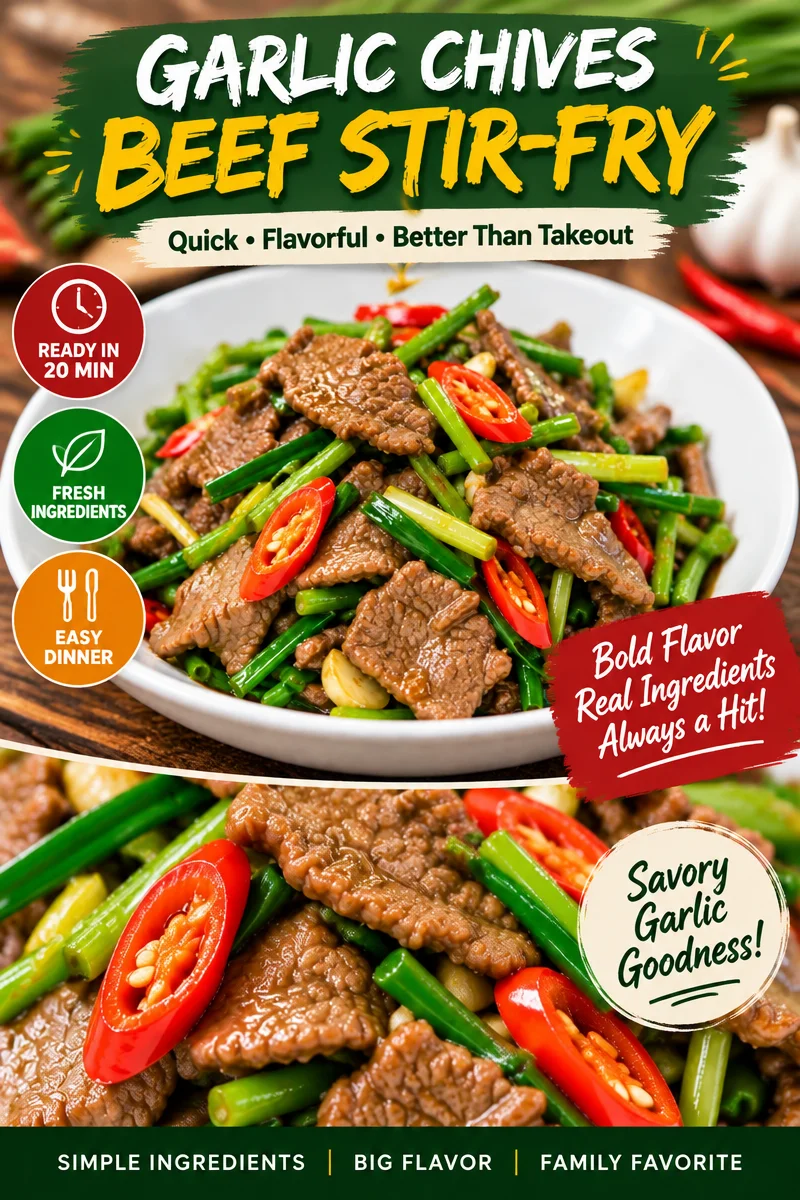

Bok Choy and Beef Stir-fry
- Total Time: 20 minutes
- Yield: 4 servings 1x
- Diet: Gluten-free option available
Description
A quick and comforting stir-fry featuring tender beef and crisp bok choy in a savory sauce.
Ingredients
- 1 lb flank steak, sliced thin
- 4 cups bok choy, chopped
- 2 cloves garlic, minced
- 1 inch ginger, grated
- 1/4 cup low sodium soy sauce
- 2 tbsp oyster sauce (optional)
- 1 tbsp cornstarch
- 2 tbsp neutral oil (avocado or canola)
- 1 tsp sesame oil
- Salt and pepper to taste
- Optional add-ins: green onions, sugar or honey, red pepper flakes
Instructions
- Prep all ingredients: slice beef, chop bok choy, mix sauce, mince garlic and ginger.
- Heat a large skillet or wok over high heat and add the neutral oil.
- Add the sliced beef in a single layer, cooking for 1-2 minutes until browned.
- Remove the beef from the pan and set aside.
- Add bok choy stems to the pan, cooking for 1 minute, then add the leafy parts.
- Return the beef to the pan along with the garlic and ginger, stirring quickly.
- Mix together the soy sauce, oyster sauce, cornstarch, and a splash of water, then pour around the pan.
- Toss everything together until the sauce thickens and coats the ingredients.
- Drizzle with sesame oil before serving.
Notes
For best results, slice beef against the grain and ensure everything is prepped before cooking.
- Prep Time: 10 minutes
- Cook Time: 10 minutes
- Category: Main Course
- Method: Stir-frying
- Cuisine: Chinese
Nutrition
- Serving Size: 1 serving
- Calories: 450
- Sugar: 4g
- Sodium: 800mg
- Fat: 15g
- Saturated Fat: 3g
- Unsaturated Fat: 10g
- Trans Fat: 0g
- Carbohydrates: 30g
- Fiber: 3g
- Protein: 35g
- Cholesterol: 70mg
Keywords: stir fry, beef, bok choy, quick dinner, Chinese cuisine